


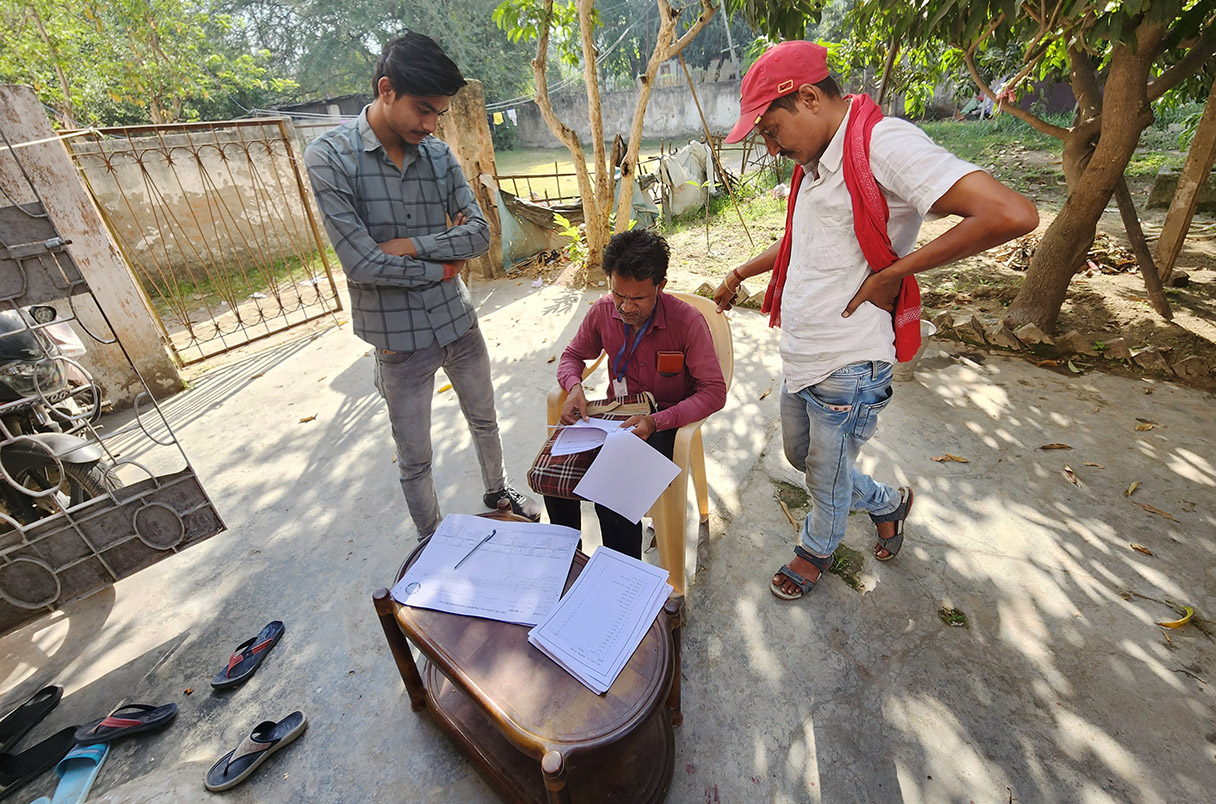
For the first time in nearly a century, states in India are spearheading efforts to conduct a comprehensive caste census, shedding light on a deeply ingrained social structure that shapes political representation, affirmative action, and socioeconomic disparities.
With more than 1 billion Hindus belonging to over 4000 historical castes, caste identity plays a significant role in defining social and economic status. However, detailed caste membership data has been lacking since the last census in 1931, raising concerns about the persistence of discrimination and the equitable distribution of resources.
States like Bihar, Andhra Pradesh, and Telangana have taken the initiative to gather detailed data on caste composition through extensive surveys. These efforts reflect a growing demand for accurate caste-related data to inform policies targeting economic and health inequities and to ensure effective implementation of affirmative action programs.
Despite logistical and political challenges, Bihar's recent census serves as a promising model, employing a large workforce of enumerators to collect data on caste affiliations and socioeconomic indicators. The findings revealed disparities in government job representation and educational opportunities, prompting policy interventions to address inequality.
The significance of caste data extends beyond identifying disadvantaged communities; it also informs policies to uplift marginalized groups and assesses the effectiveness of affirmative action measures. However, updating century-old data presents challenges, including the complexity of caste identities and the need to capture socioeconomic conditions accurately.
While some advocate for a national caste survey, current efforts are primarily led by states due to regional variations in caste dynamics. Nevertheless, frequent surveys can facilitate dynamic policymaking, ensuring resources are allocated based on evolving social realities.
Critics express concerns about reinforcing caste identities through enumeration, but proponents argue that data transparency is essential for addressing entrenched inequalities. As India navigates this historic endeavor, the quest for social justice and equitable development remains paramount, guided by data-driven insights into caste dynamics and socioeconomic disparities.