


A recent study by the University of Waterloo's Social and Intelligent Robotics Research Lab (SIRRL) reveals that humans prefer interacting with robots that exhibit social identities similar to their own, highlighting the importance of personalized interactions in robotics.
Led by Dr. Moojan Ghafurian and Dr. Kerstin Dautenhahn, the interdisciplinary research team explored human interactions with social robots and their perceived identities. Their findings, published in the International Conference on Human-Agent Interaction, offer insights into enhancing robot-human interactions, particularly in health and well-being settings.
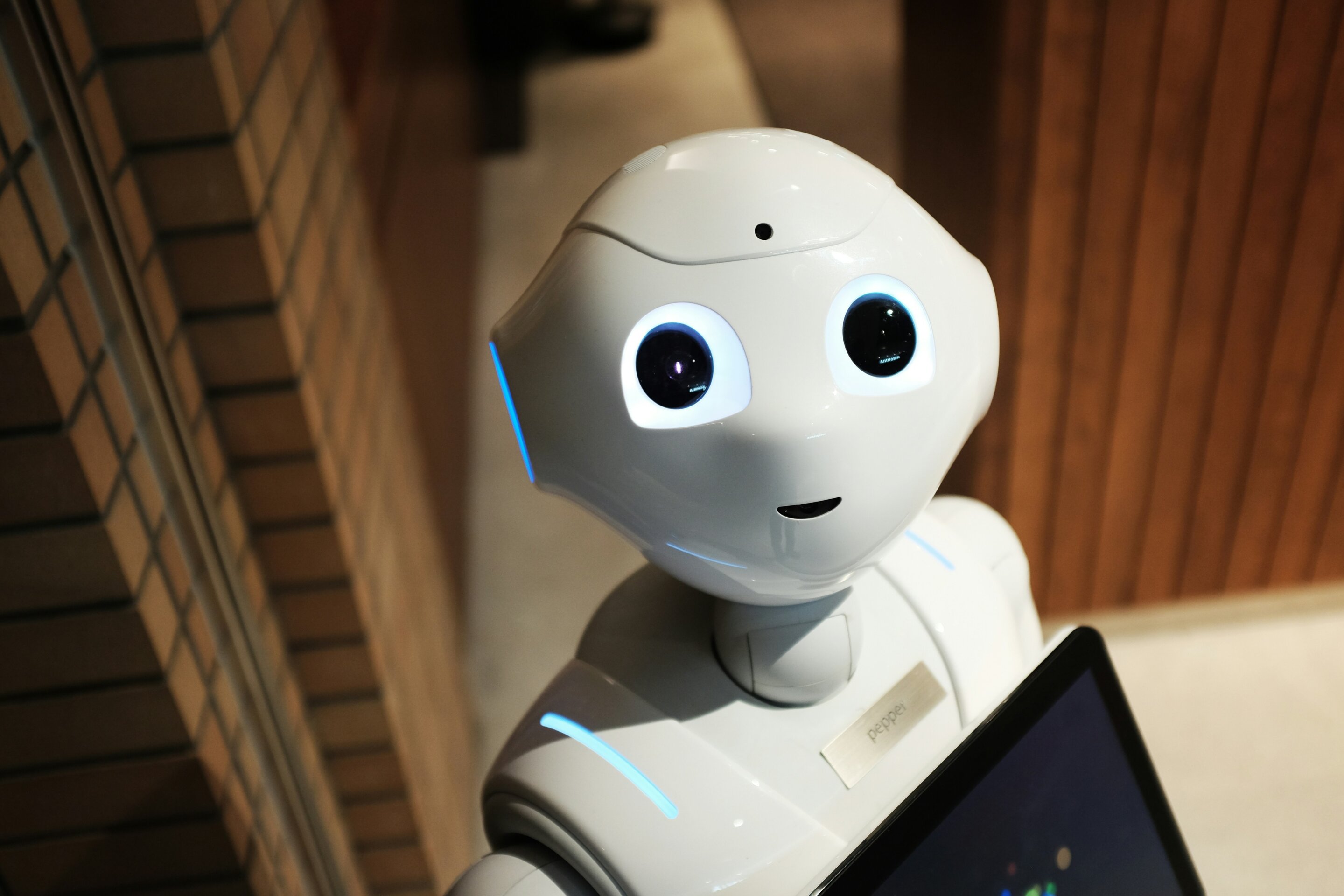
The study, involving 95 participants aged 20 to 67, focused on evaluating social robots based on the Affect Control Theory (ACT), which considers qualities like goodness, activity, and power. By presenting images of 11 different social robots, researchers assessed participants' perceptions of robotic identities and their interest in interacting with them in health-related contexts.
Results indicate that individuals expressed greater interest in working with social robots when they perceived a closer alignment between their own identity and the robot's. This suggests that personalized interactions play a pivotal role in fostering engagement and acceptance of robotic technologies, especially in healthcare applications.
Dr. Ghafurian emphasizes the importance of robots' ability to adapt their behaviors to suit individual preferences, highlighting the potential for personalized social robots to support the health and well-being of older adults. By addressing existing healthcare gaps and enhancing human-robot interactions, these technologies hold promise in addressing the needs of an aging population.
Moving forward, future research will involve direct interactions between participants and actual robots, allowing for the manipulation of robot identities and behaviors. This iterative approach aims to further refine the design of social robots and maximize their effectiveness in various practical settings, ultimately advancing the field of human-robot interaction.
