


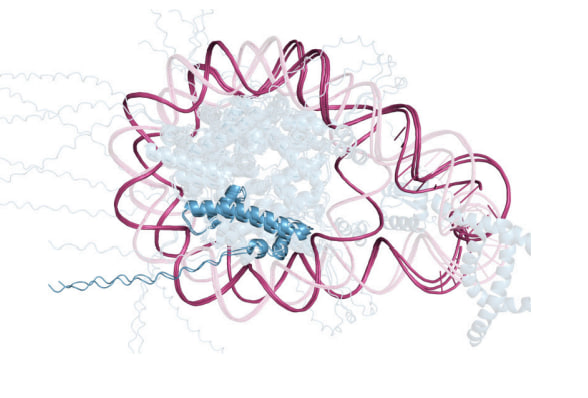
A recent paper published by Nature detailing Google DeepMind's protein folding prediction program has sparked controversy due to the absence of publicly available code accompanying the research.
Researchers, including Roland Dunbrack from Fox Chase Cancer Center in Philadelphia, raised concerns about the lack of code accessibility during the peer review process. Despite repeated requests, Dunbrack and others were not provided access to the code, prompting them to submit a letter to Nature addressing the issue.
While AlphaFold3, the latest iteration of the program, boasts enhanced predictive abilities, including the ability to accurately forecast protein-molecule complexes involving DNA, RNA, and more, the absence of code hindered researchers' ability to evaluate and utilize the software effectively.
The letter to Nature, co-authored by Stephanie A. Wankowicz from the University of California, San Francisco, emphasized the importance of transparency and reproducibility in scientific research. It criticized the publication for releasing AlphaFold3 without providing means for comprehensive testing and usage, particularly in high-throughput scenarios.
Despite Nature's policy promoting data and code availability, the paper's restricted access to AlphaFold3 raised concerns among the scientific community. While pseudocode describing the algorithms was provided, its conversion into functional code was deemed time-consuming and resource-intensive.
The authors of the letter underscored the significance of journals enforcing policies regarding code availability, emphasizing the importance of reproducibility in scientific dissemination. They called for equitable application of such policies to ensure transparency and accountability across all research publications.
